M
User14122020
★★★★★
2026-11-10
Materialy i wykonczenie odpowiadaja cenie produktu.

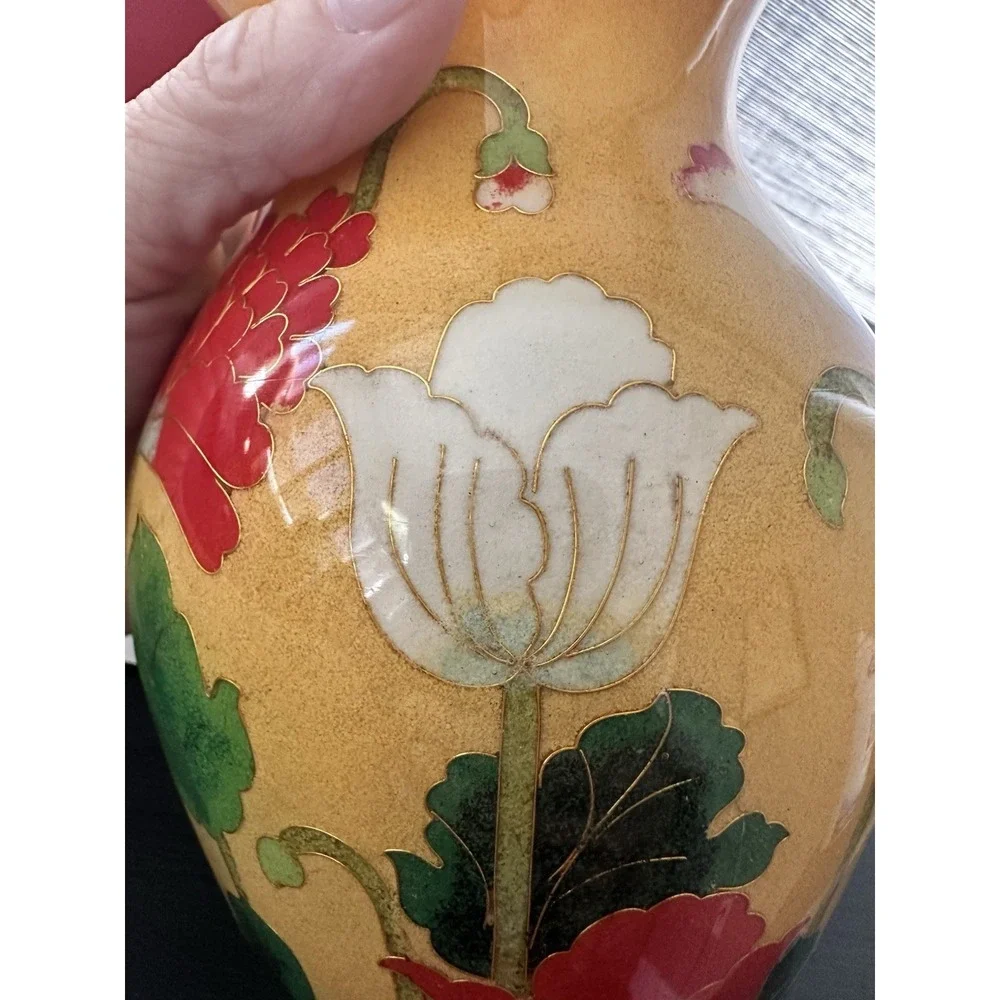
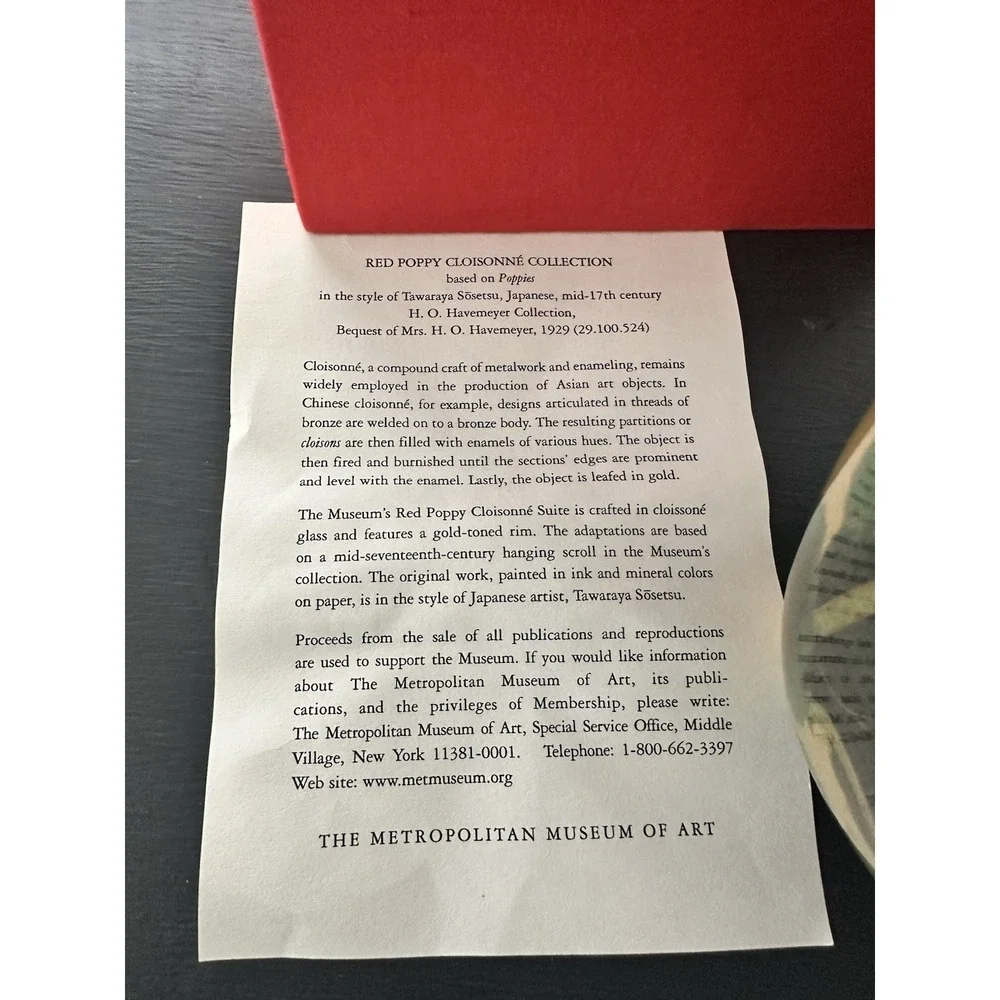
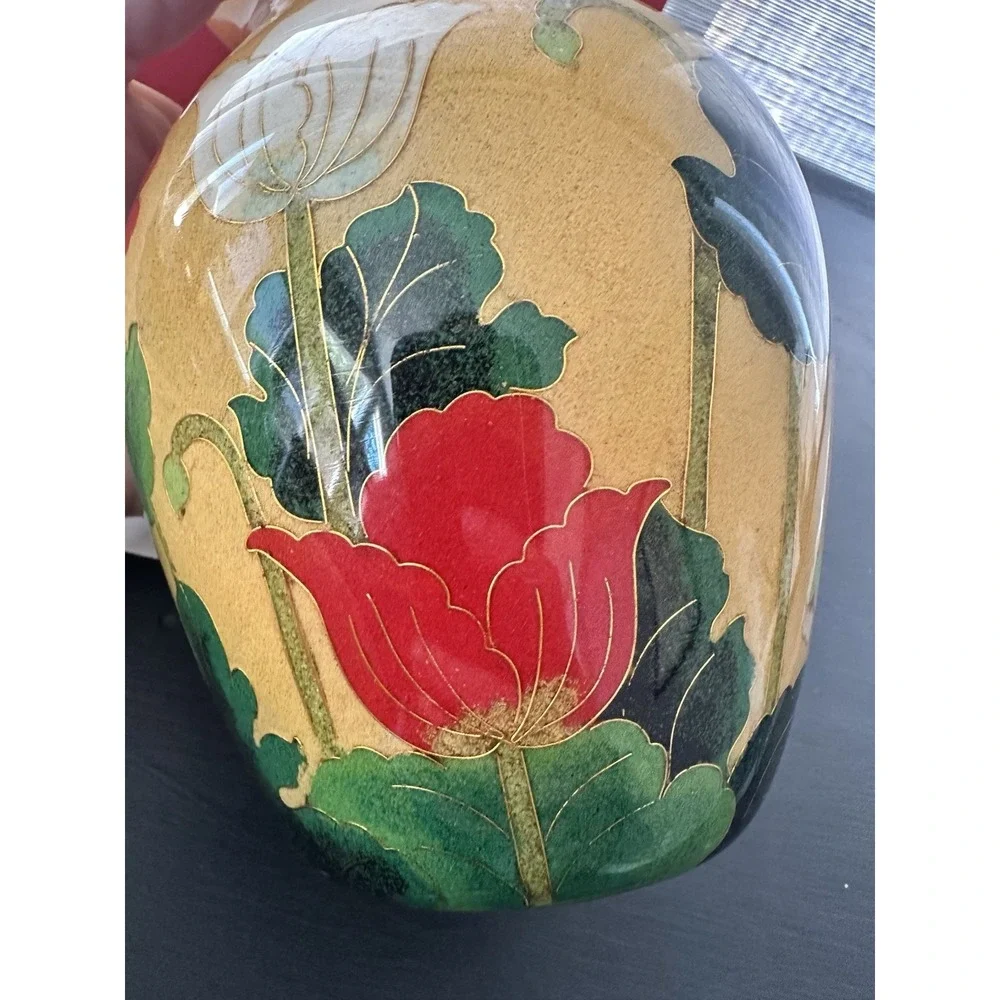
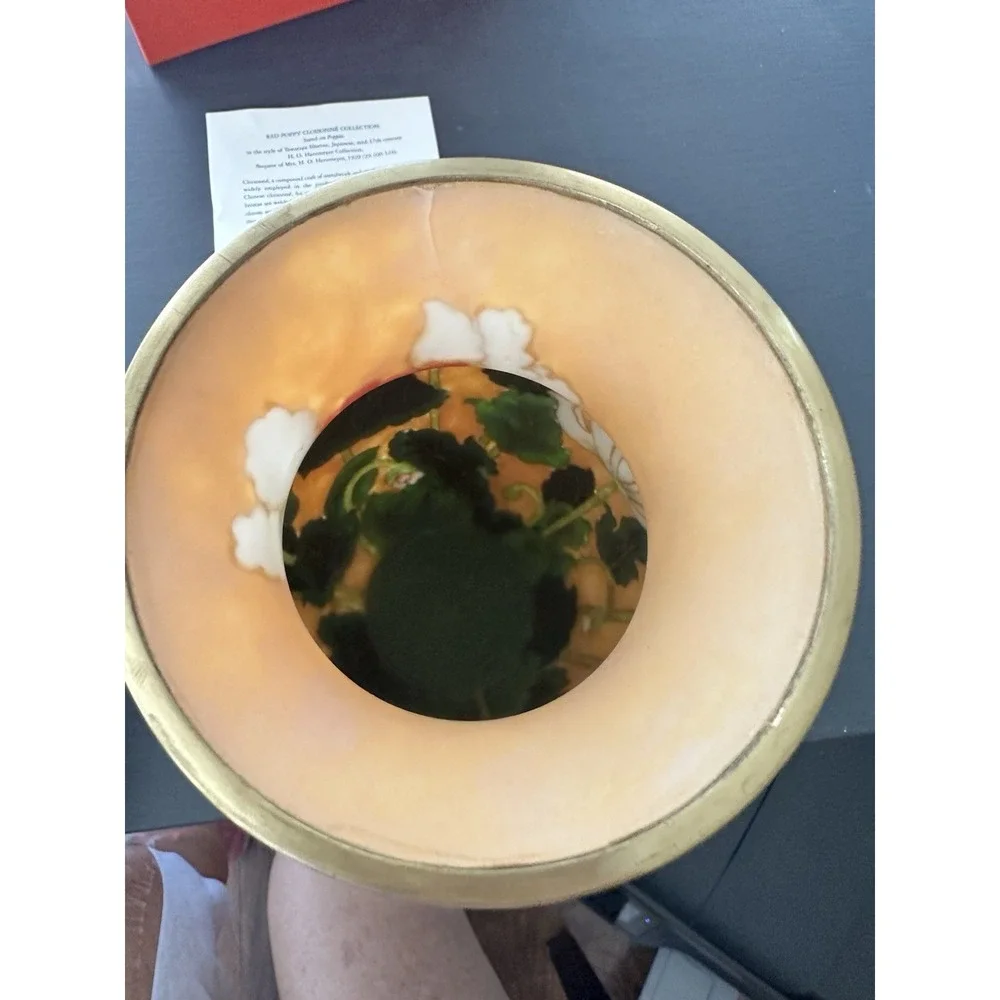
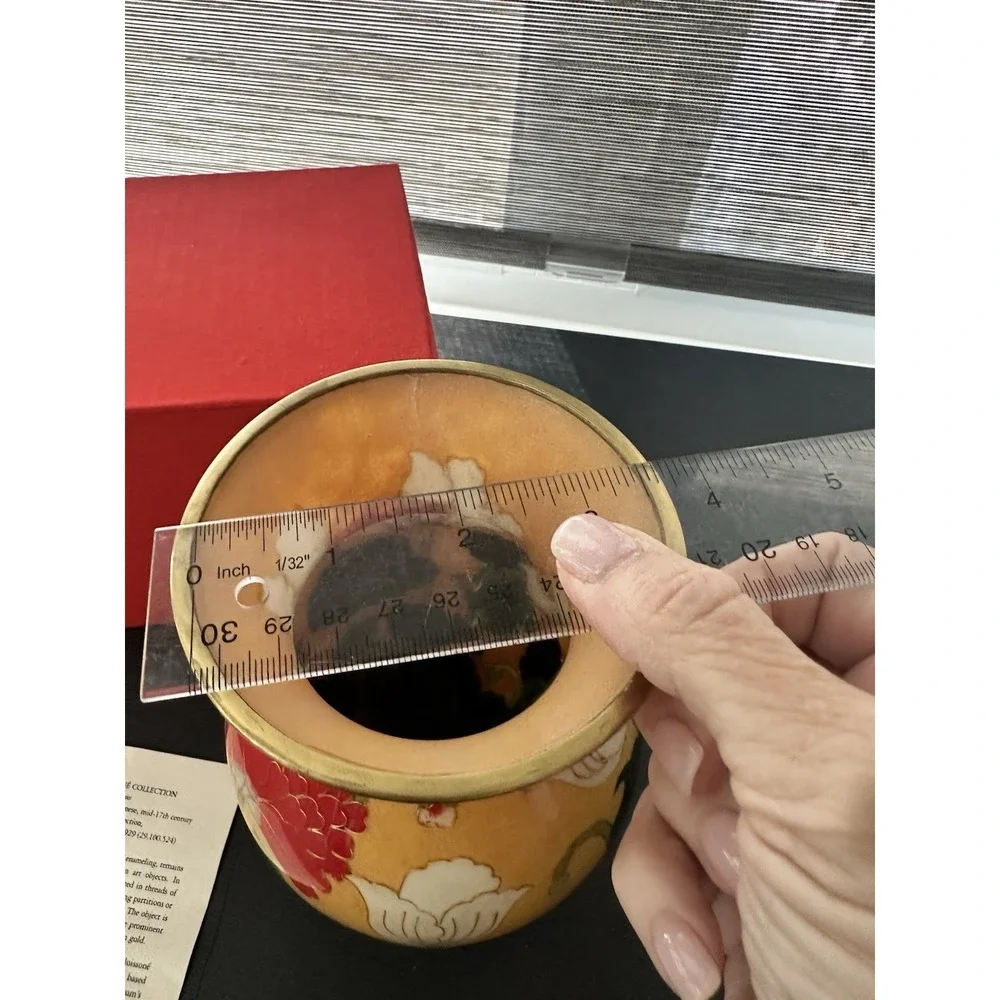
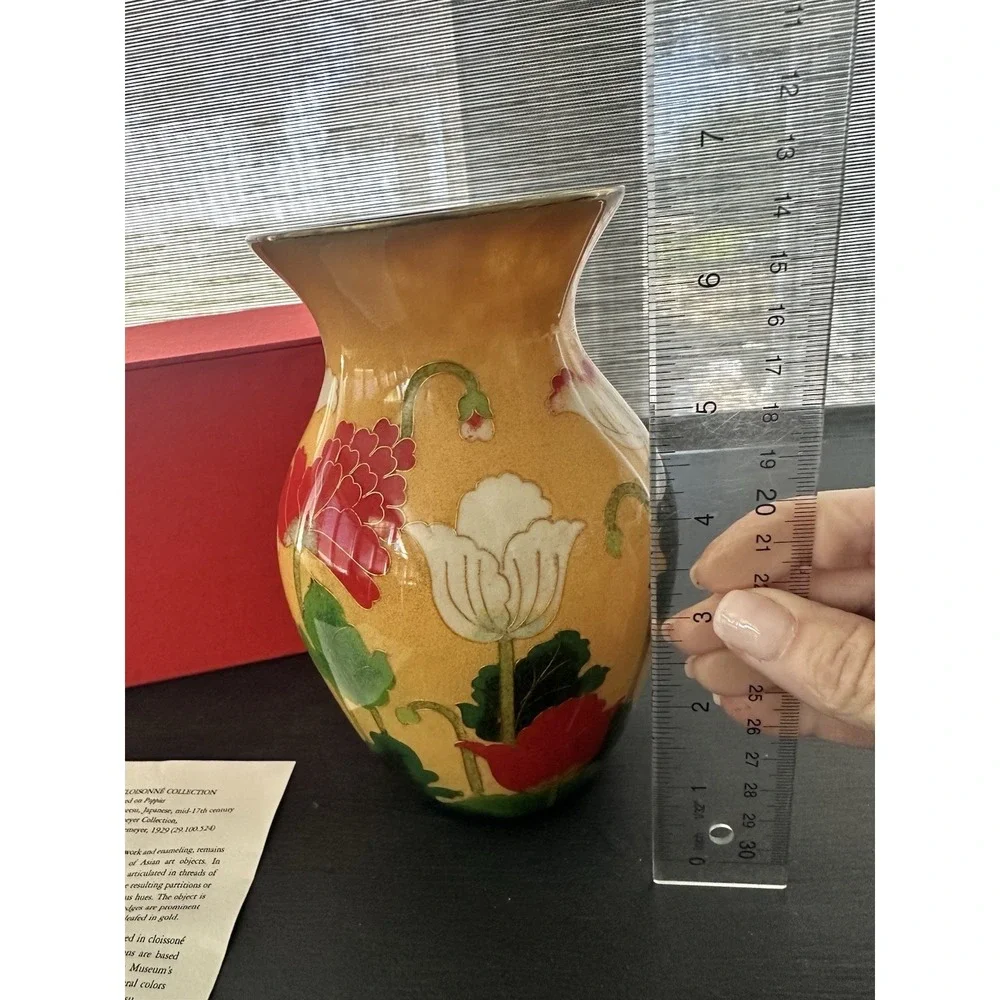
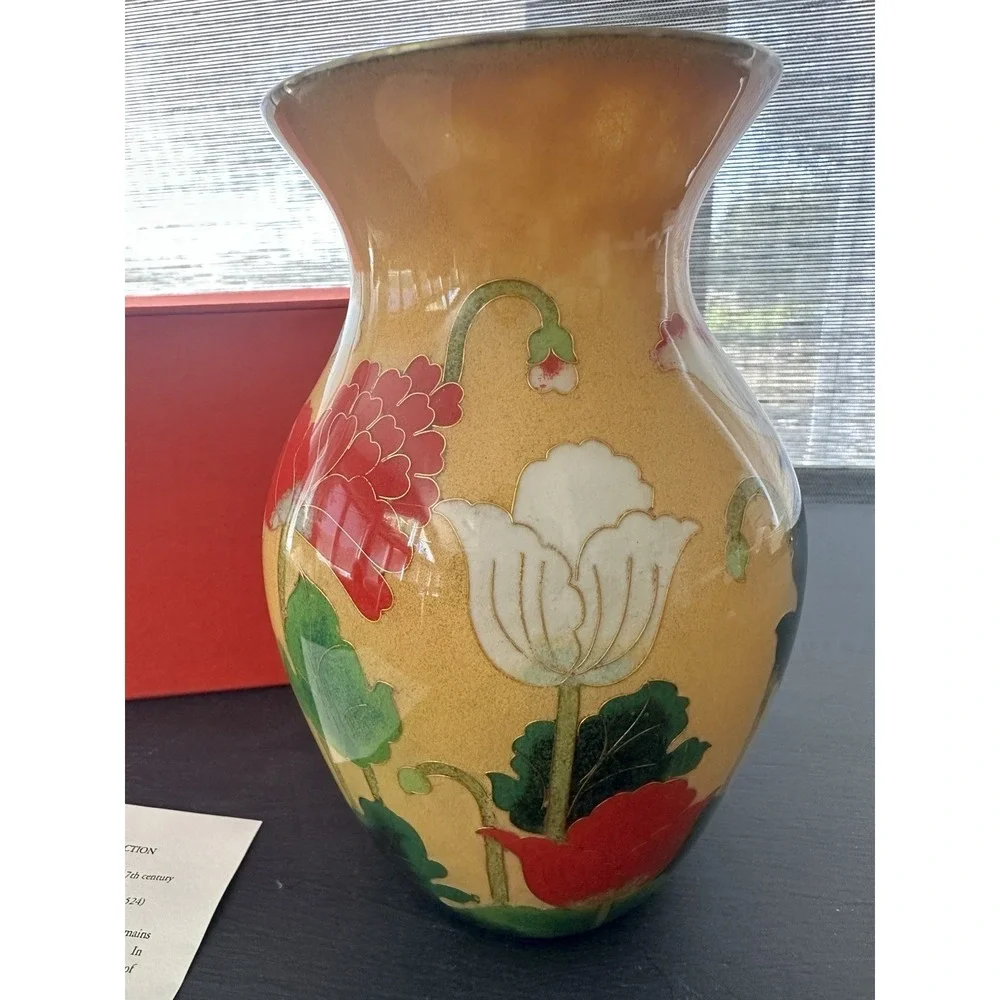
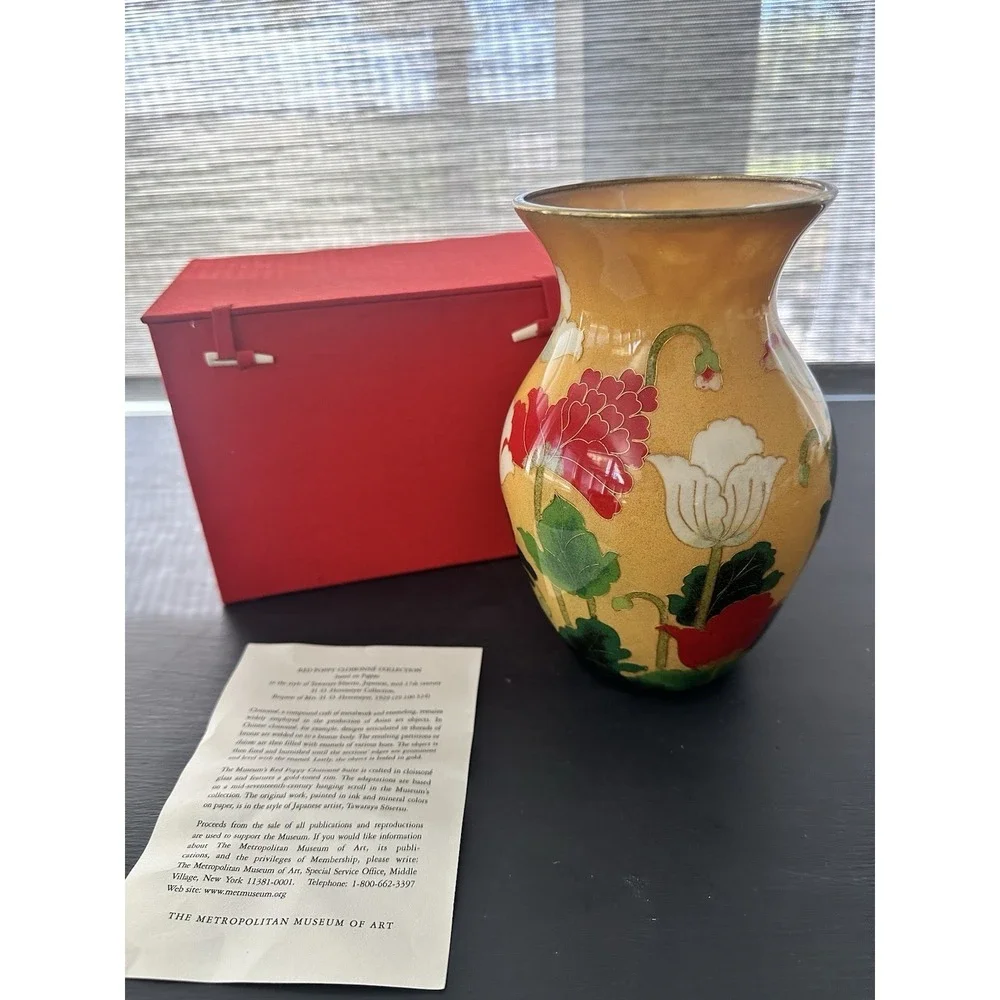
RED POPPY CLOISONNÉ COLLECTION based on Poppies in the style of Tawaraya Sosetsu, Japanese, mid-17th century H. O. Havemeyer Collection, Bequest of Mrs. H. O. Havemeyer, 1929 (29.100.524) Cloisonné, a compound craft of metalwork and enameling, remains widely employed in the production of Asian art objects. In Chinese cloisonné, for example, designs articulated in threads of bronze are welded on to a bronze body. The resulting partitions or cloisons are then filled with enamels of various hues. The object is then fired and burnished until the sections' edges are prominent and level with the enamel. Lastly, the object is leafed in gold. The Museum's Red Poppy Cloisonné Suite is crafted in cloissoné glass and features a gold-toned rim. The adaptations are based on a mid-seventeenth-century hanging scroll in the Museum's collection. The original work, painted in ink and mineral colors on paper, is in the style of Japanese Web site: www.metmuseum.org THE METROPOLITAN MUSEUM OF ART
Daily Cleaning: Use a soft brush or damp cloth to gently wipe away dirt. Avoid harsh chemicals. For mesh areas, use diluted mild detergent and a soft brush.
Drying: Air dry in a cool, shaded place after cleaning. Avoid direct sunlight or high heat, which can cause fading and glue deterioration.
Storage: Stuff with paper to maintain shape when not in use. Store in a dry, ventilated area to prevent mold. Rotate between multiple pairs to extend lifespan.
Usage Notes: Designed for basketball. Not recommended for hiking, long-distance running, or other specialized sports where different performance features are required.
Materialy i wykonczenie odpowiadaja cenie produktu.